What if the most consequential AI models are not the biggest ones?
OpenAI recently introduced two new models - GPT-5.4 mini and GPT-5.4 nano - and they may tell us more about where AI is heading than any flagship release. These are not just stripped-down versions of the big model, they are purpose-built for speed, cost-efficiency, and the increasingly common scenario where a large AI orchestrates a team of smaller, faster ones.
GPT-5.4 mini runs more than twice as fast as its predecessor and scores 54.4% on SWE-Bench Pro (a real-world coding benchmark) compared to 57.7% for the full GPT-5.4. The gap between "flagship" and "compact" is narrowing fast. GPT-5.4 nano takes this further still. It is designed for high-volume tasks such as classification, data extraction, and coding subagents that handle the simpler supporting work within a larger workflow.
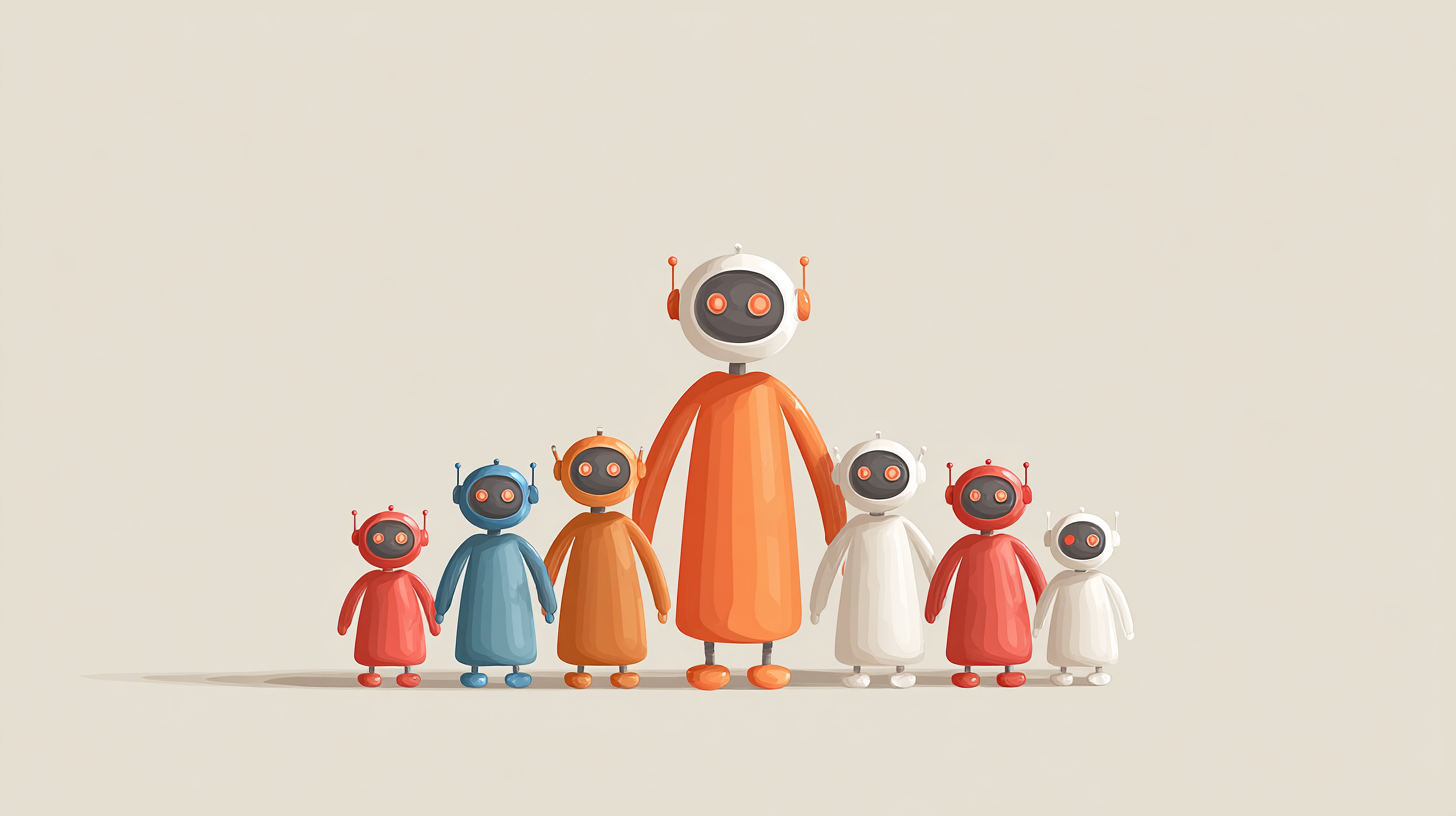
In OpenAI's Codex platform, a larger model can now delegate to mini subagents running in parallel - each handling a narrow task quickly and cheaply, while the flagship handles planning and final judgement. What is fascinating here is the shift in how we think about AI deployment. Rather than one powerful model doing everything, we are moving toward layered systems where different-sized models collaborate, each doing what they do best. It is less like a single genius and more like a well-organised team.
A remarkable glimpse at what collaborative AI architecture may look like in the years ahead.